


If you’ve ever chased a toddler around the house with a piece of toast, begging them to just take one bite, this one’s for you.
I’m Jade, a clinical nutritionist, mum of two, based in Perth. I talk about real-world nutrition, not the trendy kind that requires a ring light and a detox tea.
This week’s topic: how to get toddlers to eat veggies without bribing, forcing, or losing your mind.
🎧 Listen to the Podcast
Episode 1: My Secrets to Toddlers Eating Their Veggies – available on Apple Podcasts and Spotify.
LISTEN ON APPLE PODCASTS | LISTEN ON SPOTIFY
Why Toddlers Suddenly Stop Eating
You start solids the ‘right’ way. They eat beautifully for a while. Then around age two, things unravel.
Totally normal. Toddlers are discovering independence. Refusing broccoli isn’t defiance – it’s development. Your role? Stay calm, keep offering, and shift your mindset to the long game.
Tip 1: Eat With Them
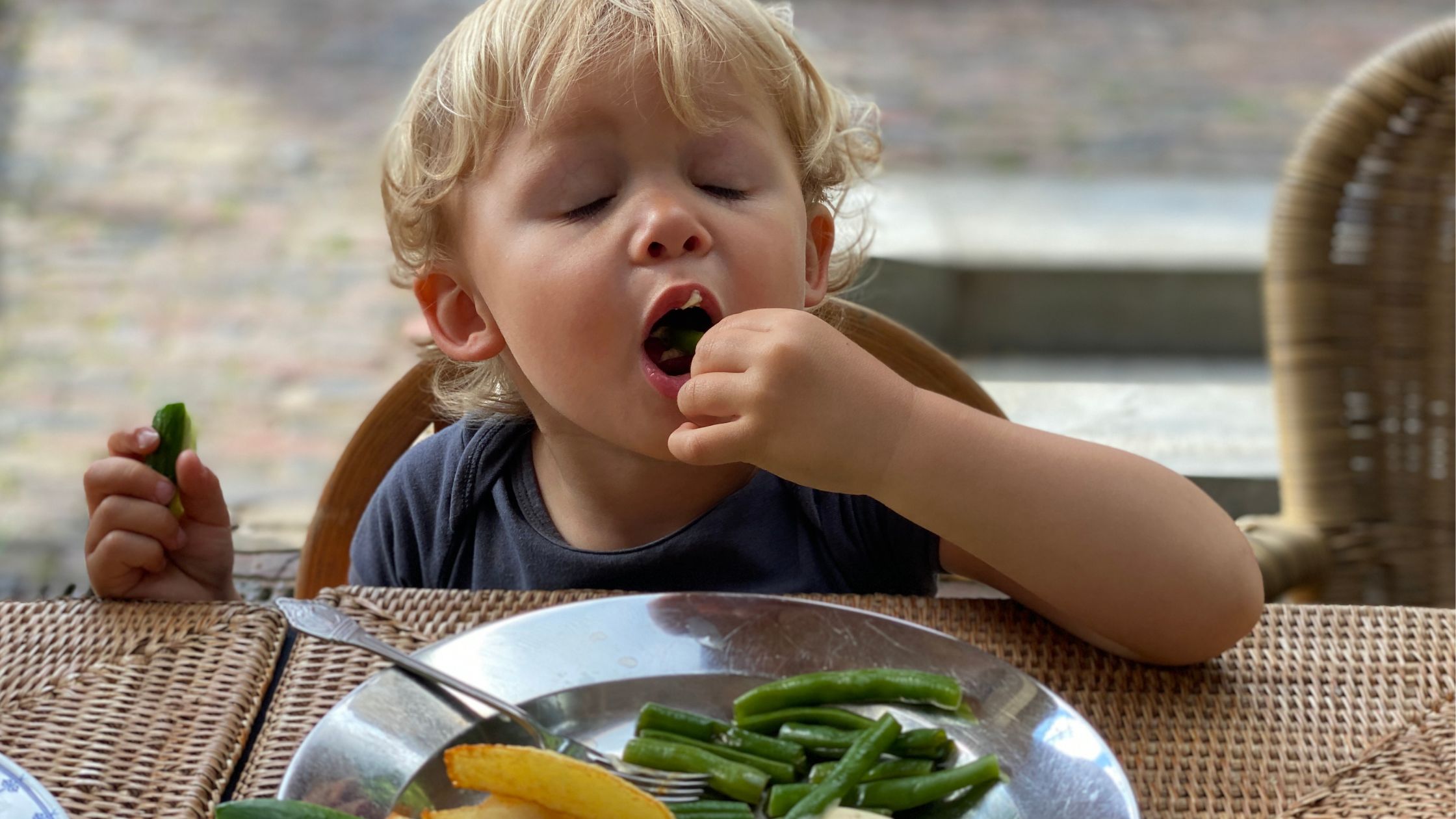
Yes, I know, life’s busy. But when children eat with the family, research shows they consume more fruits and vegetables.
They aren’t only watching what you eat—they’re learning how you eat. Sitting at the table, using cutlery, conversation, meal-time rhythm.
Our house? Dinner’s non-negotiable family time. Breakfast is chaotic. That’s fine. Pick one meal a week to lock it in. Consistency beats perfection.
Tip 2: Be Patient
Here’s the rule: You decide what’s on the plate. They decide what they eat off it.
Children often need to see a new food 10+ times before they’ll try it. So if broccoli has made five appearances without result – keep going. Offer it often.
Give about 30 minutes per meal when you can. Phones off, screens away. Let them be present. Let them play with the food if they need to. Familiarity = acceptance.
Tip 3: Drop the Pressure
This one’s the hardest for us parents, because we care. But forcing or bribing kids to eat the “good stuff” can backfire. Studies show pressure = lower veggie intake long-term.
Offer the plate. Set the environment. Then step back. If you’ve done your job and presented balanced meals repeatedly – your job’s done.
Bonus Moves for the ‘Nothing Works’ Stage
If your child hasn’t touched a vegetable in what feels like forever, try these low-stress tactics:
- Blend it: Add zucchini or spinach to smoothies (zucchini wins for colour).
- Hide it: Roast/saute veggies like pumpkin or carrot, pureé into sauces (lasagna, bolognese).
- Finely chop: Blend mushrooms or zucchini into mince—they become invisible.
- Grate it: Grated carrot, beetroot or apple into muffins, porridge, sandwiches.
- Make it fun: Shapes, faces, animals on the plate—novelty counts.
Want an Even More Structured Solution?
If you’re consistently battling meal-time stress and want a realistic, evidence-based system to help your child build better eating habits, check out Happy Little Eaters – my online course designed for parents with kids aged 1-5.
It’s built with real life in mind: short videos (6 minutes or less), printable resources, bonus recipes, and no strict rules you’ll feel you’re failing at.
The aim: calmer meals, confident feeding, kids who choose to eat better – not because they’re forced to, but because they’ve been guided gently and consistently. 10% of each enrolment also supports children with childhood apraxia of speech (which I’m passionate about).
The Big Picture Reminder
If their plate has a decent portion of protein, carbs, fat, and veggies – you’re ahead of many. Whether your toddler eats them or not? That part’s on them, and that’s okay.
Consistency over time trumps perfection. You’re building habits, not chasing immediate wins.
extra TIPS & TRICKS.
- Eat meals as a family where possible to model positive eating behaviour.
- Ensure meal settings are distraction-free and allow 30 minutes for each meal.
- Allow toddlers to play with food when practical to become familiar with the food.
- Trial making shapes and animals on the plate to encourage trial and play with food.
- Allow the child to choose what they eat off their plate. Avoid bribing to eat vegetables.
🎧 Listen to the Podcast
Episode 1: My Secrets to Toddlers Eating Their Veggies — available on Apple Podcasts and Spotify.
LISTEN ON APPLE PODCASTS | LISTEN ON SPOTIFY
Eat with them, be patient, and use a no-pressure approach. Model healthy eating, keep offering foods repeatedly, and avoid forcing or bribing.
Hiding vegetables can be helpful short-term. Try blending pumpkin or zucchini into sauces or smoothies, while still offering visible veggies to build familiarity.
Food refusal is a normal developmental stage. Toddlers are asserting independence and may need to see new foods multiple times before accepting them.
Parents decide what, when, and where meals are served; children decide whether and how much to eat. This reduces mealtime stress and supports healthy habits.
References
- Liu X et al. Maternal feeding practices and toddlers’ fruit and vegetable consumption. Nutrition Journal. 2021.
- Queensland Government. Guidelines for Fussy Eating. 2013.
- Riley LK et al. Nutrition in Toddlers. AFP. 2018.
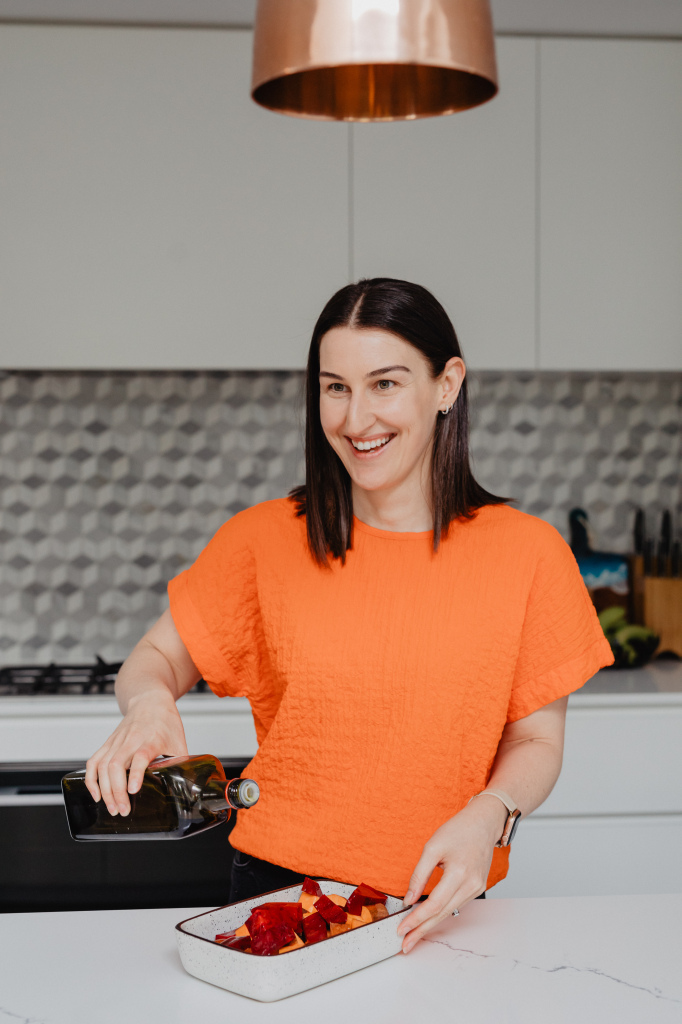
Jade Harman is a Clinical Nutritionist, educator, and speaker helping people make sense of nutrition. With a Bachelor’s degree in Nutritional and Dietetic Medicine and experience supporting more than 500 clients, she’s seen firsthand how misinformation can derail good habits. Jade doesn’t do fads or guilt – just practical advice that works in real life with real people. You can find out more about Jade here.






+ show Comments
- Hide Comments
add a comment