

If you work in HR, you already know the drill: employees are tired, stressed, overwhelmed, and struggling with energy slumps.
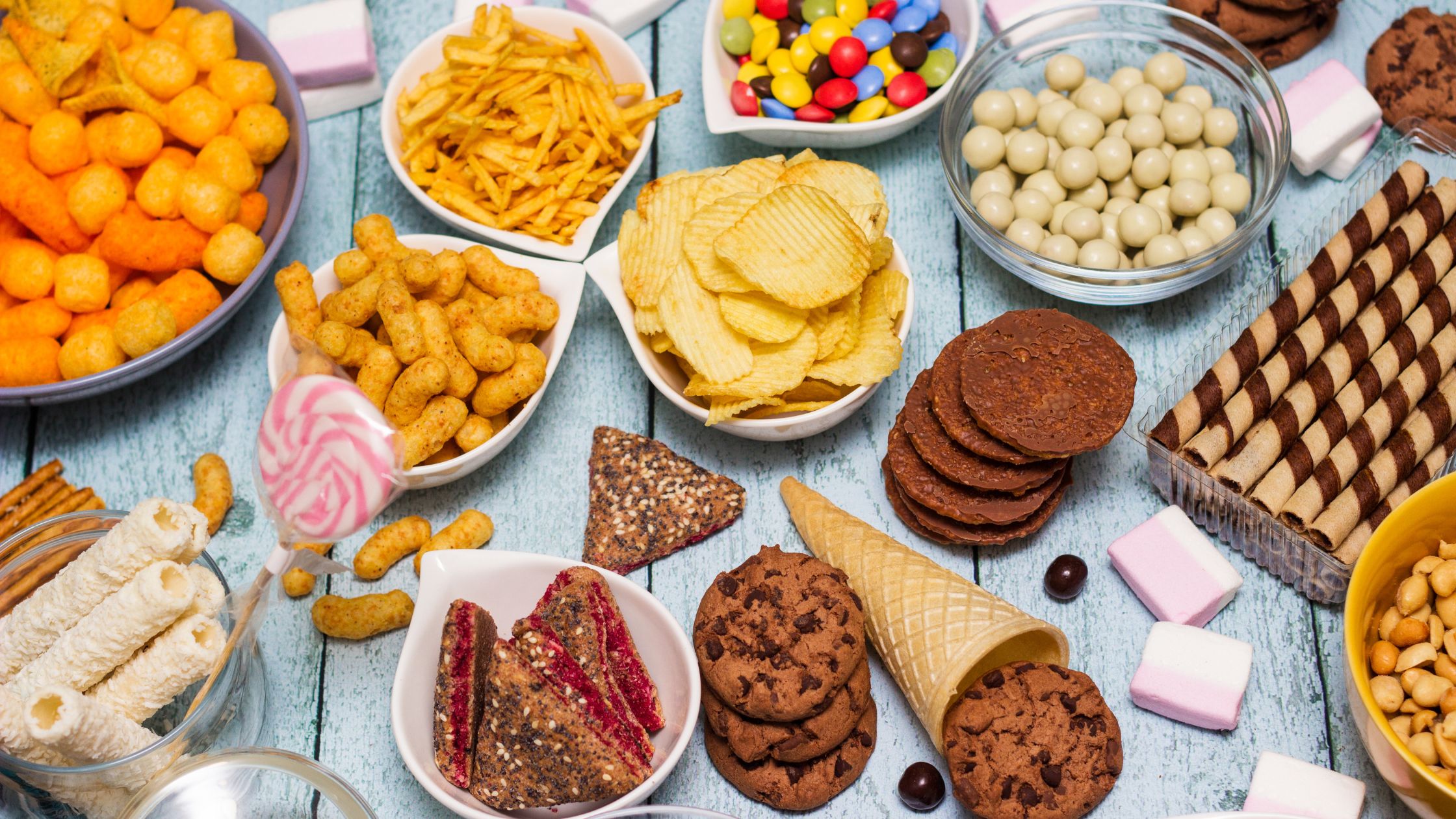
So workplaces do what seems helpful – they keep the staff kitchen stocked with treats: chocolate, lollies, biscuits, leftover birthday cake, fundraising chocolates, and the occasional packet of chips.
It feels supportive.
It feels generous.
It feels like culture.
But here’s the uncomfortable truth:
The office snack drawer is quietly wrecking employee energy, focus, and performance — and almost every HR manager underestimates it.
Let’s talk about why.
Why the Snack Drawer Feels Helpful (But Isn’t)
Most HR teams stock snacks for the right reasons:
- to boost morale
- to reward hard work
- to create a friendly workplace culture
- to offer a quick pick-me-up on busy days
- to have “something on hand” when people skip lunch
The intention is perfect. The impact is not.
Because what the research shows — and what I see every week in clinic — is this:
Employees aren’t struggling because the wrong snacks exist.
They’re struggling because the easiest snacks exist.
Chocolate is easier than a balanced lunch.
Chips are easier than protein.
Biscuits are easier than fibre.
And when the brain is stressed, tired, or emotional? It will always choose what’s easy.
Why Office Snacks Are So Hard to Resist
Your workplace isn’t full of people lacking willpower.
Your workplace is full of people with human biology.
Here’s what actually happens:
1. Afternoon energy dips → craving sugar
Most people hit their lowest energy point between 2–4 pm.
If high-sugar snacks are nearby, the brain says “YES, THAT.”
2. Stress increases reward-seeking
Under pressure, employees reach for quick dopamine hits – chocolate, lollies, biscuits.
3. Accessibility is more powerful than motivation
If a chocolate bar and a piece of fruit are equally available, most people will choose the bar.
If chocolate is easier… the choice is already made.
4. Snacks become emotional coping tools
Work stress → reward
Boredom → reward
Low mood → reward
Fatigue → reward
This is human.
But it’s quietly creating a cycle that HR eventually feels in rising sick days, burnout, and disengagement.
What Employees Tell Me Behind Closed Doors
In 6+ years as a workplace nutritionist, I’ve lost count of the number of employees who whisper the same thing:
“The office chocolate drawer is my downfall.”
“I feel good until I get to work — then I eat junk all day.”
“I wish the snacks weren’t there… but I can’t stop.”
“I get stressed and go straight for the treats.”
They aren’t proud of it.
They don’t want to be struggling with food at work.
But workplaces unintentionally create an environment where the hardest choice — restraint — becomes the expected one.
This is backwards. HR doesn’t need to remove snacks — but you DO need to rethink them.
How Office Snacks Are Affecting Work Performance
This isn’t about weight or guilt. This is about productivity, focus, and energy regulation.
When workplaces rely on sugar-heavy snacks as the default, it leads to:
1. Energy crashes
Quick spike → big crash → lower productivity.
2. Mood fluctuations
Blood sugar swings affect irritability, motivation, and stress tolerance.
3. Impaired decision-making
Low-quality fuel = low-quality thinking.
4. Increased absenteeism
Long-term poor eating patterns compound: low immunity, poor sleep, exhaustion, illness.
5. Afternoon “brain fog” culture
You know that 3 pm slump the whole office jokes about?
It’s not normal – it’s nutritional.
Why HR Should Care About This Now
Because employees are more stressed, more overwhelmed, and more fatigued than ever (thank you, modern work culture).
Nutritional support isn’t a “nice to have” anymore — it’s a core productivity strategy.
And honestly?
No wellbeing program can outrun a chocolate drawer.
So… What’s the Solution? (Hint: It’s Not Banning Treats)
Taking snacks away won’t work.
People will resent it.
Morale will tank.
And they’ll just bring their own.
The solution is upgrading the environment — not removing the fun.
Here’s where HR can make huge impact with small changes:
1. Curate a Balanced Snack Station
Add options like:
- protein-rich snacks
- nuts
- air-popped popcorn
- higher-fibre bars
- fruit
- yoghurt
- wholegrain crackers + cheese
Not replacing chocolate. Just balancing the scale.
My Workplace Snack Guide gives HR 40+ foolproof options that employees will actually eat.

2. Pair Treats With Better Choices
If the chocolate is going to live there, pair it with:
- fruit
- protein snacks
- wholegrain options
You’d be shocked how much behaviour changes when variety is available.
3. Add Education That Doesn’t Shame
Employees don’t need rules. They need understanding.
This is exactly why my Eat Well, Work Well workshops work so well — they take the guilt OUT of food and empower people with actual strategies.
4. Remove Mindless Eating Triggers
Small tweaks help:
- move chocolates out of arm’s reach
- swap open tubs for closed containers
- add visibility to healthier choices
- keep treats for shared moments (not daily grazing)
Simple → powerful.
5. Bring in Expert Support
When HR tries to manage nutrition alone, it gets messy.
You’re not meant to be nutritionists — you’re meant to create the environment.
Let me handle the education.
My workplace workshops help teams:
- improve energy
- reduce afternoon slump
- build balanced eating habits
- understand cravings
- reduce stress-eating
- increase productivity
All without shame, restriction, or food policing.

Final Thought: It’s Not About the Chocolate. It’s About the Environment.
Employees don’t need more willpower — they need better workplace support.
When HR shifts the snack drawer from temptation to intention, everything improves:
🌟 higher energy
🌟 clearer focus
🌟 better moods
🌟 fewer sick days
🌟 improved performance
🌟 healthier culture
Tiny change. Massive impact.
If you want help transforming your workplace food environment in a way that employees love — not resent — you can:
👉 Book a Workplace Nutrition Workshop
👉 Download the Workplace Snack Guide
I’ll help your team eat well, feel well, and work well — without banning chocolate in the process.

Jade Harman is a Clinical Nutritionist, educator, and speaker helping people make sense of nutrition. With a Bachelor’s degree in Nutritional and Dietetic Medicine and experience supporting more than 500 clients, she’s seen firsthand how misinformation can derail good habits. Jade doesn’t do fads or guilt – just practical advice that works in real life with real people. You can find out more about Jade here.





+ show Comments
- Hide Comments
add a comment